
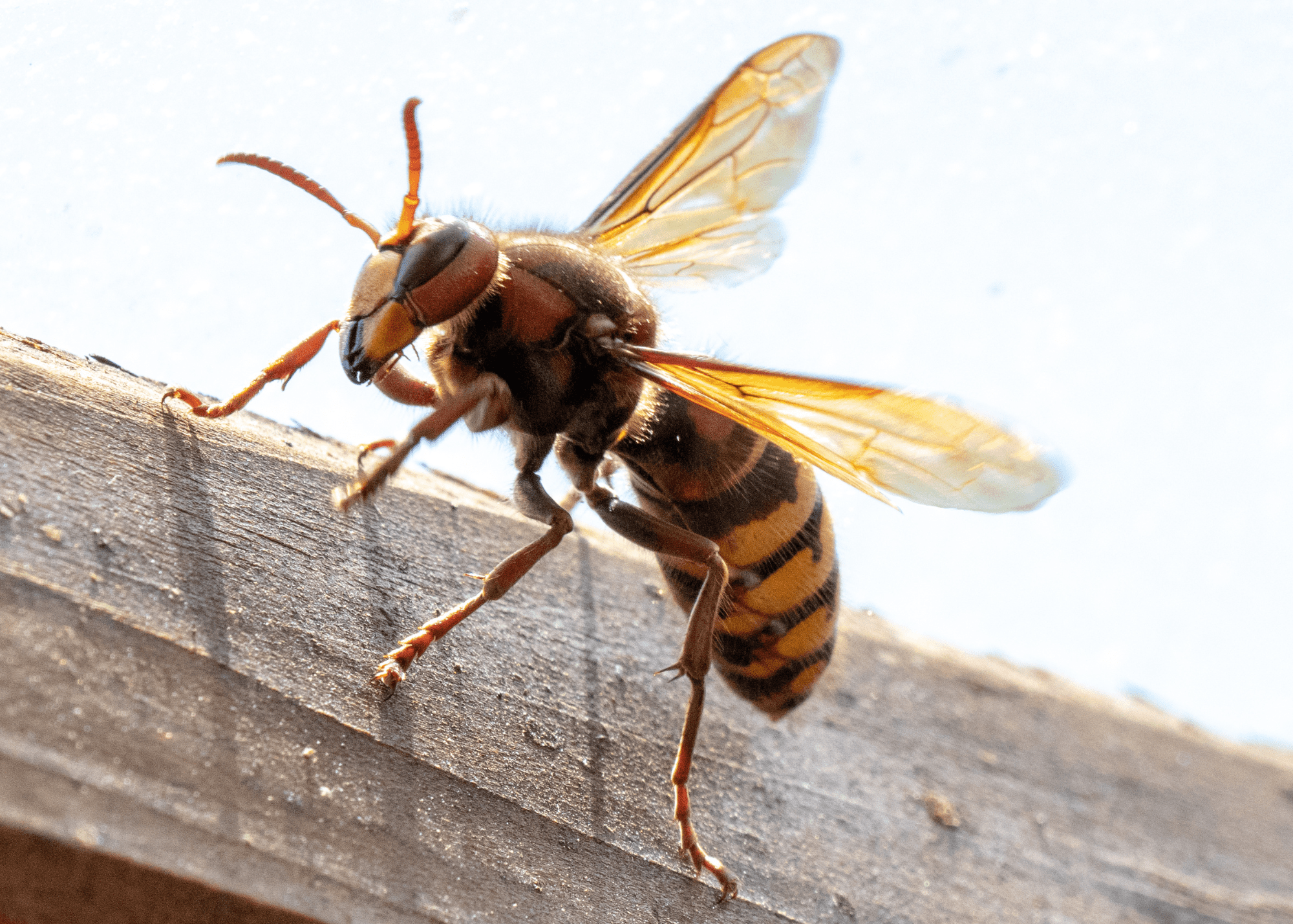
The Carolina Buzz: What That Sudden Surge in Wasps Means for Your Summer
Wasps are a familiar part of summer in North Carolina—but if you’ve noticed more of them lately, you’re not imagining things. As the season heats up, so does wasp activity. Many homeowners start to see nests tucked under eaves, buzzing swarms near backyard grills, or sudden stings that put a damper on summer fun.
So what’s going on? And more importantly—what should you do about it?
Why Wasps Are So Active Right Now in North Carolina
The uptick in wasps during mid-to-late summer isn’t random—it’s part of their natural cycle. North Carolina’s humid climate and long warm season make it the perfect environment for wasps to thrive.
Here’s why activity increases this time of year:
- Wasp colonies are at their peak in late summer.
- The queen stops laying eggs, so workers focus on food—especially sugar and protein.
- Their natural food sources decline, so they turn to human spaces.
- They become more aggressive as they protect their mature nests.
In other words, this is when wasps go into survival mode—and your outdoor spaces become prime targets.
Which Wasps Should North Carolina Homeowners Watch For?
There are a few species you’re most likely to encounter in the region:
- Paper Wasps: Build umbrella-shaped nests under eaves and decks. Usually non-aggressive unless threatened.
- Yellowjackets: Often nest underground or in walls. Highly aggressive and quick to sting.
- Bald-Faced Hornets: Create large, gray, football-shaped nests in trees or shrubs. Very territorial near their nest.
If you’re seeing wasps frequently or spotting a nest, chances are the colony is well-established—and likely to grow larger if left alone.
Where They’re Nesting (and Why It Matters)
Wasps look for quiet, protected spaces to build nests—often right around your home:
- Under roof eaves and awnings
- Inside sheds, garages, or grills
- In mailboxes or outdoor furniture
- Beneath decks or in crawlspaces
- Even inside attic vents or wall voids
Once a nest is established, removing it becomes riskier, especially if it’s near where your family eats, plays, or comes and goes.
What to Do If You Find a Nest
Your first instinct might be to knock it down or spray it—but that’s exactly what not to do.
Here’s what you should do:
- Stay calm and keep your distance.
- Avoid using loud vibrations or sprays near the nest.
- Keep food and drinks covered when eating outdoors.
- Seal trash tightly to avoid attracting foragers.
- Check for small entry holes into your home and close them off where possible.
If the nest is large, hard to reach, or near a high-traffic area, it’s safest to call a licensed professional.
Safe, Professional Wasp Removal in North Carolina
Trying to handle a wasp nest on your own can lead to multiple stings and unnecessary stress. When it comes to safety—especially if kids, pets, or allergies are involved—professional help is your best option.
That’s where Kind Pest Control comes in.
We specialize in safe, reliable wasp removal services designed for North Carolina homes. Our technicians know exactly how to locate nests, remove them efficiently, and treat the area to help prevent future infestations—all with care for your home and the environment.
Let us handle the stings, so you can get back to summer.
Contact Kind Pest Control today to schedule an inspection or removal service. We’ll help you take back your outdoor space—no stress, no swarms.
0 Comments